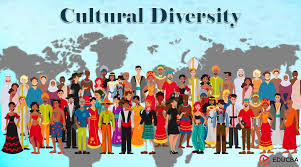
The Allure of Arts and Entertainment: A Gateway to Creativity and Expression
Arts and entertainment have long been essential components of human culture, offering both creators and audiences a means of expression, connection, and emotional release. From traditional forms such as painting, music, and theater to contemporary avenues like film, digital media, and video games, the world of arts and entertainment is a vast and evolving landscape. This dynamic field has the power to shape our society, inspire innovation, and provide joy, reflection, and escapism.
The Role of Arts in Society
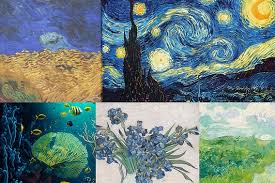
Art has always been a reflection of society, capturing both its triumphs and its struggles. Throughout history, artists have used their work as a vehicle for social commentary, documenting important moments, highlighting injustices, or celebrating cultural milestones. Whether through visual art, literature, or music, art serves as a mirror to the world, allowing us to better understand our collective identity. For example, paintings like Picasso’s Guernica or the protest music of the 1960s vividly convey the political tensions and cultural shifts of their time.
Moreover, art fosters creativity and intellectual engagement. It stimulates the imagination, pushing boundaries and encouraging innovative thinking. It allows people to experience the world in unique ways, inviting us to think beyond the ordinary and explore new perspectives. Art, in all its forms, acts as a tool for reflection and self-expression, providing people with the opportunity to articulate their innermost thoughts, feelings, and experiences.
The Evolution of Entertainment
Entertainment, while closely linked to art, takes on a slightly different role. It focuses primarily on providing enjoyment, escapism, and amusement. Over the years, the entertainment industry has undergone tremendous transformations, driven by advancements in technology and shifting cultural tastes. The golden age of Hollywood, for instance, was marked by the creation of iconic films that not only entertained but also captured the essence of a particular time and place. Meanwhile, the rise of television, video games, and digital streaming services has introduced new ways of consuming entertainment, offering on-demand access to content from anywhere in the world.
The interactive nature of modern entertainment has also reshaped the way audiences engage with content. Video games, virtual reality experiences, and interactive web series allow people to become part of the story, rather than just passive viewers. This participatory approach to entertainment fosters deeper engagement and allows for more personalized experiences.
The Intersection of Arts and Entertainment
While arts and entertainment often overlap, it is the fusion of the two that produces some of the most compelling forms of expression. Live theater, for example, combines visual art, music, and performance to tell a story in real-time. Similarly, film is a powerful medium that blends cinematography, acting, music, and editing to create an immersive experience for the audience. In recent years, the growth of digital platforms has given rise to a new wave of creators who blend traditional art forms with modern entertainment technologies, such as augmented reality and interactive films.
This intersection has also allowed for greater collaboration between artists and entertainers. Musicians team up with filmmakers to create soundtracks, while visual artists design set pieces and costumes for theatrical productions. These partnerships highlight the importance of cross-disciplinary work and the ways in which different creative fields contribute to the broader landscape of arts and entertainment.
The Impact of Arts and Entertainment on Well-being
Beyond its cultural and social significance, the arts and entertainment sector plays a crucial role in enhancing emotional and psychological well-being. Engaging with art and entertainment can reduce stress, boost mental health, and foster a sense of connection. Whether it’s watching a favorite movie, listening to music, or visiting an art gallery, these experiences can provide comfort, promote relaxation, and inspire hope.
In a world that often feels fast-paced and demanding, the ability to disconnect and immerse oneself in a piece of art or entertainment can offer valuable moments of respite. This connection to creativity and expression is vital in maintaining a balanced and fulfilling life.
Conclusion
Arts and entertainment are more than just forms of leisure; they are integral to human existence. They enrich our lives by providing opportunities for self-expression, cultural connection, and emotional release. As technology continues to advance, the future of arts and entertainment looks boundless, offering new ways for people to engage with the world around them. Whether through traditional forms or innovative mediums, the impact of arts and entertainment on society remains profound and enduring.