The Dynamic World of Arts and Entertainment: A Creative Playground for All
The world of arts and entertainment is an expansive and dynamic realm that encompasses a wide range of creative expressions, from visual arts to performing arts, music, theater, and digital entertainment. It serves as a reflection of culture, a platform for self-expression, and a means of social commentary. For centuries, arts and entertainment have played a crucial role in shaping societies, inspiring individuals, and bringing people together. Whether it’s through a captivating movie, an awe-inspiring painting, or an unforgettable live concert, the arts offer a unique opportunity to experience and appreciate the vast range of human creativity.
The Broad Spectrum of Arts and Entertainment
Arts and entertainment cover an incredibly diverse range of forms, each offering something different to its audience. These forms not only reflect human emotions and stories but also provide an outlet for imagination and innovation.
- Visual Arts
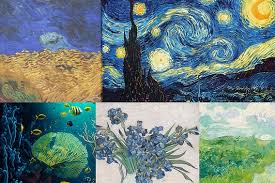
The visual arts, including painting, sculpture, photography, and digital art, allow artists to convey emotions, ideas, and social messages through images and forms. Galleries and museums serve as spaces where individuals can view masterpieces, explore different artistic styles, and engage with the work on a deeper level. Visual art can often transcend language barriers, speaking directly to the viewer’s emotions and senses. Contemporary artists have even used new technologies like augmented reality (AR) and virtual reality (VR) to push the boundaries of traditional art, allowing audiences to immerse themselves in the creative experience. - Performing Arts
Performing arts, which include theater, dance, and music, are some of the most visceral and impactful forms of entertainment. Theater brings stories to life, allowing audiences to experience drama, comedy, or tragedy in a way that engages the mind and emotions. Dance offers a form of expression through movement, often combined with music, to convey stories and emotions without words. Music, perhaps the most universally understood form of entertainment, has the power to unite people from all walks of life. Whether through a solo performance or a large orchestra, music has the ability to evoke emotions and bring people together, making it one of the most influential forms of entertainment. - Film and Television
Film and television have become dominant forces in the entertainment industry, with movies and TV shows reaching audiences globally. These visual mediums allow for storytelling on a grand scale, combining visuals, sound, acting, and music to create immersive experiences. Films can take viewers on emotional journeys, from action-packed adventures to heartwarming dramas, while TV shows often allow for more prolonged character development and exploration of themes. The rise of streaming platforms like Netflix, Hulu, and Amazon Prime has further revolutionized the industry, providing on-demand access to a world of entertainment from the comfort of one’s home. - Digital and Interactive Entertainment
As technology continues to advance, digital entertainment has evolved into one of the most exciting and interactive forms of entertainment. Video games, interactive storytelling, and VR experiences offer players a level of engagement that was once unimaginable. Gaming has grown from a niche hobby to a mainstream activity, with massive multiplayer games, eSports, and mobile gaming gaining millions of fans worldwide. Additionally, social media platforms like YouTube and TikTok have democratized content creation, giving individuals the power to create and share their work with global audiences.
The Role of Arts and Entertainment in Society
The impact of arts and entertainment extends beyond enjoyment and relaxation—it plays a pivotal role in shaping culture and society. Through storytelling, art, and performances, the arts can challenge societal norms, raise awareness about important issues, and promote social change. Art has historically been used as a tool for protest, from Picasso’s Guernica to music movements like punk rock and hip-hop.
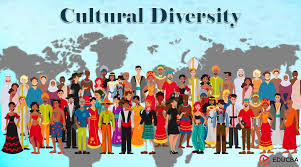
Moreover, the arts provide an important platform for cultural exchange. With global access to movies, music, and theater, people from different cultures can engage with and learn from each other. This exchange of ideas promotes empathy and understanding, helping to break down cultural barriers.

Entertainment also serves as a source of emotional and psychological escape. In times of stress or hardship, people often turn to movies, music, or books for comfort and relief. The ability to experience joy, excitement, or catharsis through art has a profound impact on mental well-being.
The Future of Arts and Entertainment
The future of arts and entertainment is exciting and ever-evolving, thanks to advancements in technology. Virtual reality, augmented reality, and artificial intelligence are opening up new possibilities for creative expression. Interactive theater experiences, immersive VR concerts, and AI-generated artwork are just a glimpse of what the future holds. As technology continues to merge with creativity, the way we experience and engage with art and entertainment will be forever transformed.
Conclusion
The world of arts and entertainment is as vast and diverse as the human experience itself. It provides an invaluable space for personal expression, cultural exchange, and emotional connection. Whether through traditional forms like painting and theater or the ever-evolving digital experiences, the arts continue to inspire, entertain, and challenge us. As technology pushes the boundaries of creativity, the future of arts and entertainment promises to be a thrilling journey of innovation and discovery.