How Legal Law Impacts Your Rights and Responsibilities
Legal law plays a crucial role in shaping the rights and responsibilities of individuals and organizations within a society. It defines the boundaries of what is permissible, protects personal freedoms, and ensures justice is served. Understanding how legal law impacts your rights and responsibilities can help you navigate the complexities of daily life, from personal interactions to business dealings. Here’s how legal law influences both your rights and your obligations.
1. Understanding Your Rights Under the Law
Legal law provides a framework that protects your fundamental rights as a citizen. These rights can vary by country or region but typically include rights related to personal freedom, property, and equality. For instance, in many democratic societies, the law guarantees the right to free speech, the right to a fair trial, and the right to privacy.
In addition to these constitutional rights, laws also provide protections in specific areas of life. For example, labor laws safeguard employees against unfair treatment, while civil rights laws prohibit discrimination based on race, gender, or disability. Legal law helps ensure that your basic freedoms and human rights are upheld, offering a sense of security and protection against unlawful actions.
2. Your Responsibilities as a Law-Abiding Citizen
Alongside your rights, legal law also defines the responsibilities you have as a citizen. These responsibilities are designed to ensure the smooth functioning of society and the protection of others’ rights. One of the most fundamental responsibilities is obeying the law. Whether it’s following traffic rules, paying taxes, or adhering to environmental regulations, individuals must act in accordance with the laws of their jurisdiction.
Legal law also holds individuals accountable for actions that harm others or break societal rules. Criminal law, for example, establishes penalties for theft, assault, or fraud. Additionally, civil law allows individuals to seek justice in cases of personal injury or property damage. Legal law ensures that individuals and businesses are held accountable for their actions, promoting fairness and justice within the community.
3. Balancing Rights and Responsibilities
Legal law is designed to strike a balance between the rights and responsibilities of individuals. While you are entitled to certain freedoms and protections, it is essential to understand that these rights are not absolute and may be limited by your responsibilities to others. For example, your right to free speech comes with the responsibility not to incite violence or defamation.
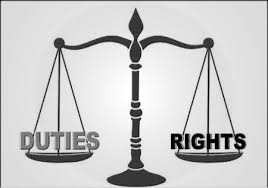
Similarly, your right to own property is protected by law, but you also have the responsibility to respect others’ property rights and refrain from trespassing or damaging property. Legal law seeks to create a balance where individuals can exercise their rights without infringing on the rights of others. This balance is vital for maintaining social order and ensuring that everyone’s interests are protected.
4. Legal Law and Business Operations
For businesses, legal law dictates how they operate within the market and interact with employees, consumers, and other businesses. Business laws, including contract law, intellectual property law, and employment law, set the framework for how businesses must conduct themselves to comply with legal standards.
For example, businesses must honor contracts, pay their employees according to labor laws, and ensure they don’t engage in fraudulent practices. Legal law holds businesses accountable for their actions, protecting consumers and employees from exploitation or unethical practices. Business owners must remain vigilant and informed about the legal obligations their company holds to avoid legal disputes and penalties.
5. Navigating Legal Disputes
In the event of legal disputes, understanding the role of legal law is essential for protecting your rights and responsibilities. Whether you are involved in a civil dispute with another individual or facing criminal charges, the law provides a structured process to resolve conflicts.
Legal law offers mechanisms like courts, mediation, and arbitration to address disputes. It also ensures that individuals and organizations have the opportunity to present their case and defend their rights in a fair and just manner. Access to legal counsel can be crucial in navigating these situations and ensuring that you fully understand your rights and responsibilities during the process.
6. The Impact of Legal Law on Society
Beyond individual impacts, legal law also influences the broader social order. It establishes the norms and ethical standards that guide behavior, ensuring that people can coexist peacefully and justly. Legal systems create a sense of structure and predictability, making it possible for communities to function and thrive.
Laws also promote equality and fairness, providing a means for marginalized groups to seek justice and protection. Through legal reforms and the constant evolution of legal systems, society can address emerging issues and challenges, ensuring that legal law adapts to new circumstances and upholds the principles of justice and fairness.
Conclusion
Legal law is fundamental in shaping your rights and responsibilities. It ensures that your freedoms are protected while holding you accountable for your actions. By understanding how legal law impacts both your rights and obligations, you can navigate life more effectively, protect your interests, and contribute to a fairer society. Whether as an individual or a business, adhering to the law not only helps you avoid legal issues but also promotes a just and orderly community for everyone.
